
Grid-tied, off-grid, and hybrid get thrown around in solar sales conversations as if homeowners already know the difference. Most don't — and the difference matters, because each is genuinely suited to a different situation, not just a different price point.
Grid-Tied: Solar Plus the Grid, No Battery
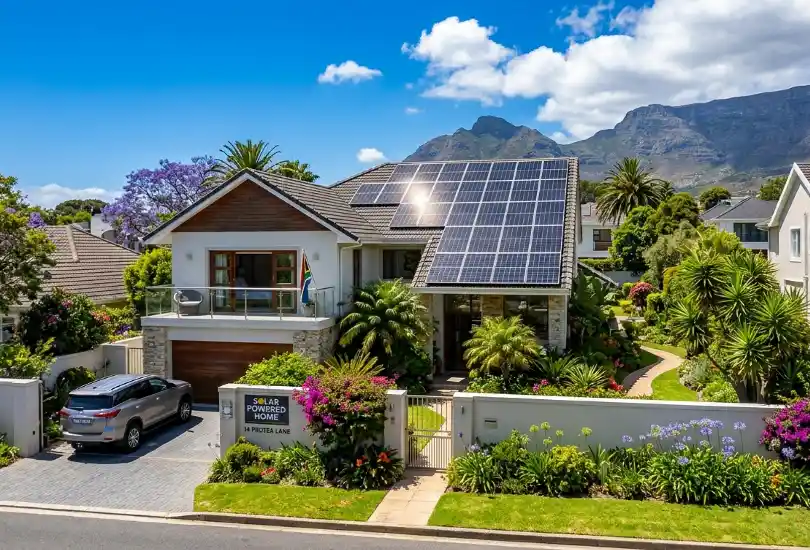
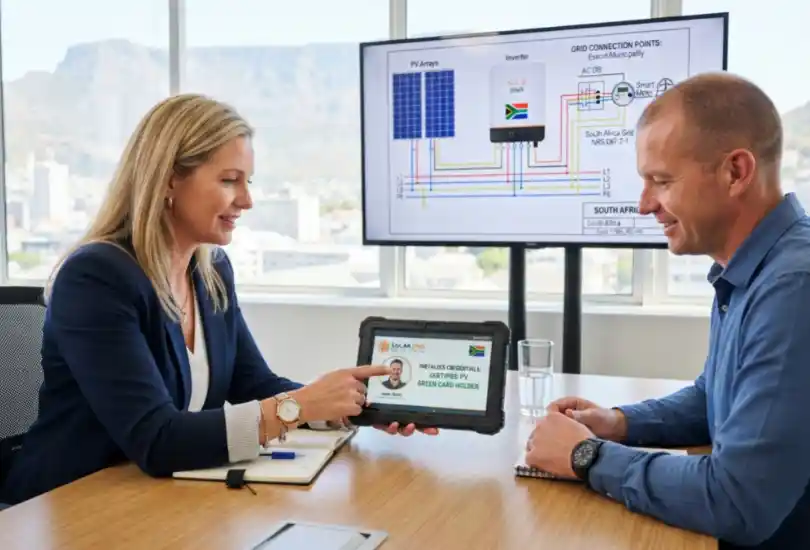
A grid-tied system connects solar panels through an inverter directly to your home's existing electrical system and the municipal/Eskom grid, with no battery storage. During daylight hours, solar power offsets what you'd otherwise draw from the grid; at night, or during a shortfall, you draw from the grid as normal.
The upside is cost — no battery means a significantly lower system price for the same panel capacity. The clear downside: grid-tied systems shut down during a grid outage, by design (a safety requirement, to prevent feeding power back into a grid that utility workers may be repairing). This means grid-tied solar offers zero protection during load shedding, despite generating power, unless paired with storage.
Grid-tied suits homeowners whose only goal is reducing their bill, with no interest in backup power — increasingly rare given South Africa's load-shedding reality, but still a valid, cheaper choice for that specific priority.
Off-Grid: Fully Disconnected From the Grid
An off-grid system has no connection to the municipal or Eskom grid at all — solar panels, battery storage, and an inverter handle 100% of the property's electricity needs, with the battery sized to cover periods without sun. This is genuinely rare for South African homes still connected to a functioning grid; it's mainly relevant for remote properties with no practical grid connection at all, where running grid infrastructure would be more expensive than a fully self-sufficient system.
Off-grid systems require significantly larger battery capacity than grid-connected alternatives, since there's no fallback during extended low-sun periods, making them considerably more expensive for equivalent reliability.
Hybrid: The Common Middle Ground
A hybrid system combines solar, battery storage, and a grid connection — generating and storing solar power, drawing from the battery during outages or peak tariff periods, and falling back to the grid when needed. This is what most South African homeowners actually mean when they say they want "solar with backup," even if they don't use the word "hybrid" themselves.
Hybrid systems cost more than grid-tied (due to the battery) but less than true off-grid (since the battery only needs to bridge outages, not replace the grid entirely), and deliver both bill savings and load-shedding protection — which is why it's the default recommendation for most residential and commercial situations in South Africa today.
Matching the Term to Your Actual Goal
- Want bill savings only, no backup, lowest cost → grid-tied
- Want bill savings and outage protection → hybrid
- Have no practical grid connection at all → off-grid
If an installer recommends off-grid for a property that already has a working grid connection, or grid-tied for someone explicitly asking about load shedding protection, it's worth asking directly why — the terminology should match the stated goal, not just whatever system the installer prefers to sell.
Get the Right Starting Point
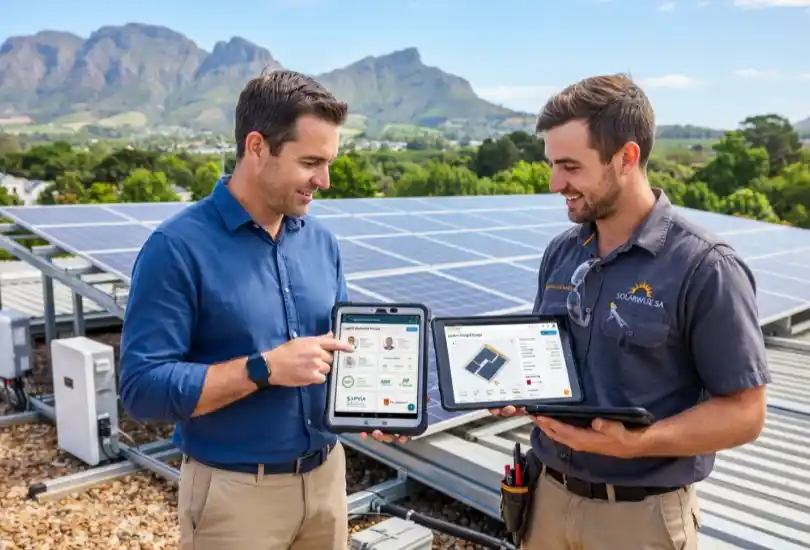
Our solar calculator asks whether backup is a priority specifically to point you toward the right system type before you even speak to an installer. Use that as your starting reference, then compare hybrid-experienced installers on ADEO for South Africa's most common real-world use case.
Frequently Asked Questions
Can a grid-tied system be upgraded to hybrid later by adding a battery? Often yes, depending on the inverter — some inverters are "hybrid-ready" from installation even without a battery fitted initially, worth asking about upfront if budget means starting grid-tied now.
Is off-grid ever a sensible choice for a home with a working grid connection? Rarely on cost grounds — a hybrid system almost always delivers better value for a property with an existing, functional grid connection, since it doesn't need to fully replace grid capacity.
Does a hybrid system still work if the battery is completely depleted? Yes — once the battery is empty, a hybrid system simply falls back to drawing from the grid (if available) just like a grid-tied system would.

Writes about solar and renewable energy for South African homes and businesses at SolarTally, and cross-checks every guide against current tariffs and installer standards.


Popular on SolarTally