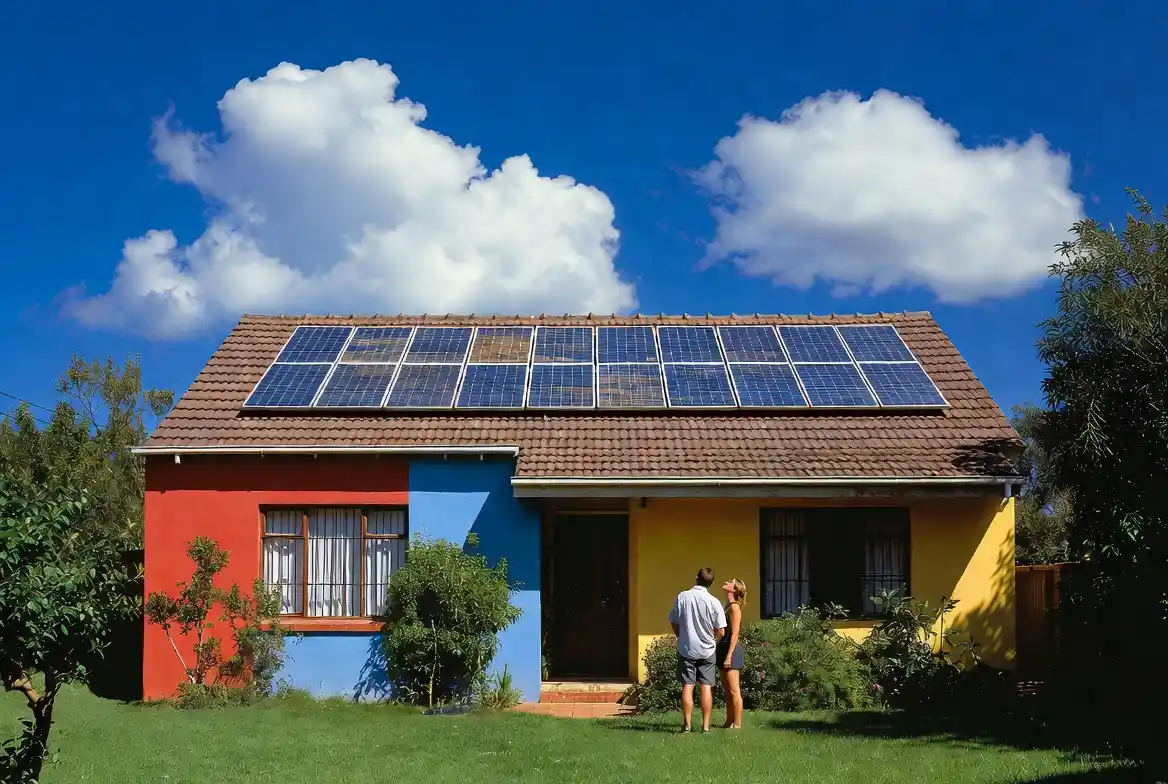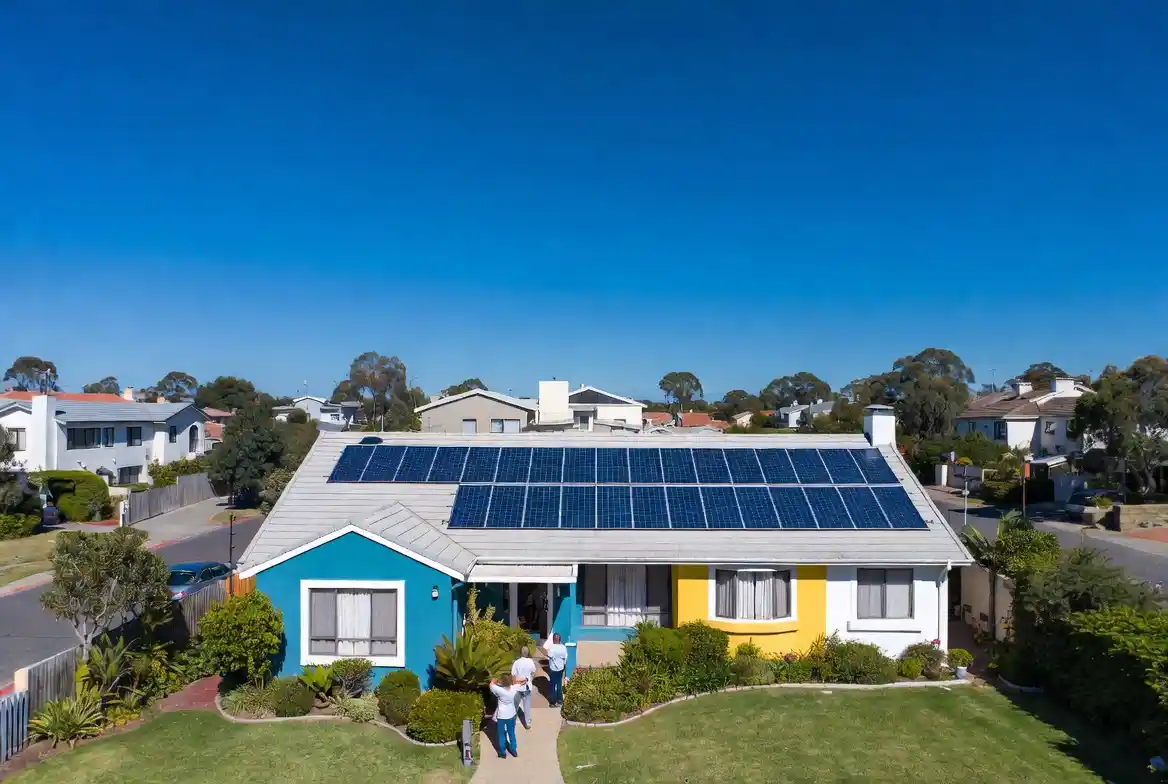

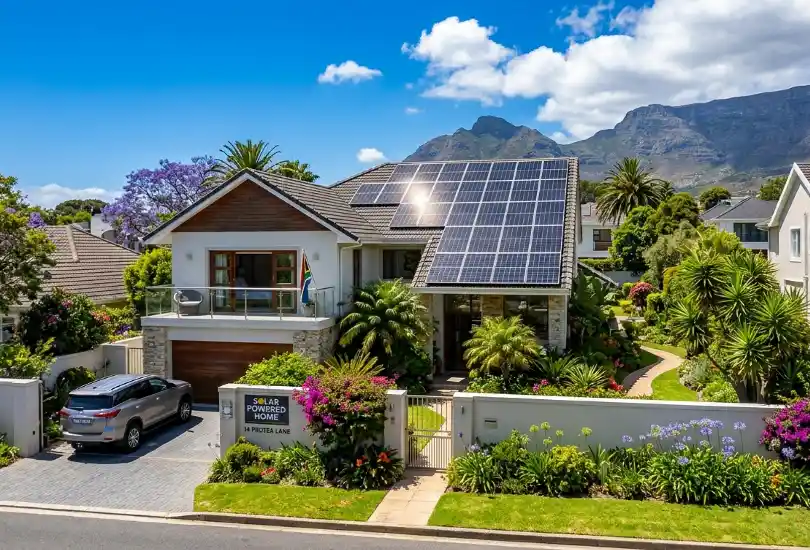
Most solar quotes lead with the same three numbers: panel count, system size in kW, and a monthly savings figure. What they rarely explain is that the savings figure depends almost entirely on something the installer didn't design — your municipality's tariff structure. Two identical roofs, identical usage, identical equipment, in two different municipalities, can land on payback periods that differ by years.
Flat-Rate vs Inclining Block vs Time-of-Use
Broadly, South African municipalities bill residential electricity in one of three ways:
- Flat-rate tariffs charge the same price per kWh regardless of how much you use or when. Solar savings here are simple to calculate: every kWh you generate and self-consume is worth exactly the flat rate.
- Inclining block tariffs (IBT) charge more per kWh once you cross certain monthly usage thresholds. If your household sits in a high usage block, the electricity solar offsets is priced at the top rate, not the average — which can make your payback period look better than a flat-rate household with the same usage.
- Time-of-use (ToU) tariffs, more common on business and some prepaid residential accounts, charge different rates for peak, standard, and off-peak periods. Solar without battery storage is far more valuable here if your usage peaks during sunlight hours, and far less valuable if your peak usage is in the evening after the sun has gone down.
None of this shows up on a standard installer quote unless you ask for it, because most quoting software defaults to a single blended rate.
Why This Changes the System Size You Should Buy
If you're on an inclining block tariff and comfortably sit in a high usage band, a smaller system that trims your peak-block usage down a level can sometimes deliver a better return per rand spent than a larger system chasing near-total offset. Conversely, on a flat-rate tariff, the calculation is more linear — the more you self-consume, the more you save, without step-changes to plan around.
This is exactly the kind of detail a generic online calculator (the ones that just ask for your average bill) glosses over. It's also why our solar savings calculator asks for your municipality specifically, rather than assuming a national average tariff.
Load Shedding Adds a Second Layer
Tariff structure determines your savings payback. Load shedding stage adds a separate, harder-to-quantify value: avoided cost of spoiled food, downtime, security system outages, and general disruption. Some homeowners are willing to accept a longer pure-financial payback period in exchange for reliable backup power during outages — which is a battery-sizing decision, not a panel-sizing decision, and worth separating clearly when you're comparing quotes.
What to Ask Your Installer
Before you sign anything, ask your installer to show you, in writing:
- Which tariff structure they assumed for your municipality
- What self-consumption rate they used for the savings estimate (rarely 100%, even with batteries)
- Whether the payback period assumes today's tariffs, or an annual escalation
If an installer can't answer these clearly, that's worth treating as a caution sign — it usually means the quote was generated from a generic template rather than your actual account.
Run Your Own Numbers First
Before you get quotes at all, it's worth running your municipality, usage, and roof details through our free solar calculator to see a realistic, independent estimate of system size, cost, and payback period. It won't replace a proper site assessment, but it gives you a number to sanity-check every quote against — including whether an installer's tariff assumptions match your actual account.
Once you have a ballpark in mind, you can compare vetted South African installers on ADEO and ask each one the tariff questions above directly.
Frequently Asked Questions
Does my tariff structure change how many panels I need? Not the physical roof-space requirement, but it changes which system size gives the best financial return — see the inclining block example above.
Can I find out my municipality's exact tariff structure myself? Yes — most municipal websites publish their current tariff schedule, and your municipal bill will usually show which block or time-of-use rate applies to your account.
Does battery storage make tariff structure less important? It reduces the impact of time-of-use tariffs specifically, since you can shift stored solar energy into expensive evening peak periods. It doesn't change inclining block or flat-rate math much.

Writes about solar and renewable energy for South African homes and businesses at SolarTally, and cross-checks every guide against current tariffs and installer standards.


Popular on SolarTally