
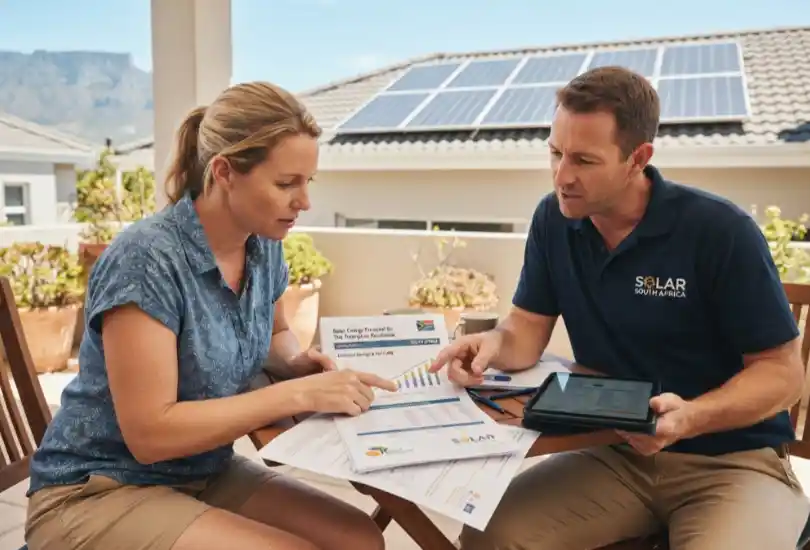
Comparing solar quotes on price alone is the easiest comparison to make and often the least useful one — two proposals with similar bottom-line numbers can differ enormously in what's actually included, how the numbers were calculated, and what happens if something goes wrong. The proposal document itself, read carefully, tells you more than the price does.
Vague Equipment Specification
A solid proposal names the specific panel and inverter models being installed, with model numbers and wattage/capacity clearly stated — not just a brand name or a generic "high-quality panels" description. Vague specification makes it hard to verify what you're actually paying for, and can be a sign the proposal was generated from a generic template rather than genuinely configured for your property.
Missing or Vague Sizing Rationale
As covered in our piece on how installers size systems, a proper proposal shows its working — what usage data and assumptions drove the recommended system size. A proposal that states a system size and price with no visible reasoning behind it is harder to evaluate and easier to overpay for.
No Clear Workmanship Warranty Terms
As covered in why installer warranties matter more than panel brand, the workmanship warranty — separate from panel manufacturer warranties — is where most real-world problems actually get covered. A proposal that doesn't clearly state workmanship warranty length and scope in writing is a meaningful gap worth raising directly.
Unclear Compliance Certificate Responsibility
As covered in our piece on the Certificate of Compliance, a proposal should clearly state who is issuing the CoC and when. If this isn't mentioned at all, ask directly — it's not a detail that should be left implicit.
Payment Terms That Front-Load Risk to You
A large upfront deposit (a reasonable deposit is normal, but be wary of demands for the full amount before work begins) with no milestone-based payment structure shifts most of the financial risk onto you if something goes wrong partway through. A more balanced structure ties payments to progress milestones — deposit, materials delivery, completion, final sign-off — giving both parties reasonable protection.
Pressure Tactics and Artificial Urgency
"This price is only valid today" or heavy pressure to sign immediately are sales tactics, not reflections of genuine cost volatility in most cases. A legitimate proposal should hold its price for a reasonable period to allow proper comparison against other quotes, and any installer pushing hard against that is worth treating with extra scrutiny.
No Mention of Municipal Registration
As covered in how installers handle municipal approval for grid-tied solar, this is a real, sometimes overlooked step. A proposal silent on it is worth a direct question about whether it's included or your responsibility.
Overly Optimistic Savings Projections With No Stated Assumptions
If a proposal shows a specific rand savings figure with no visible tariff, self-consumption, or escalation assumptions behind it, treat that figure with real skepticism — it's easy to make a savings projection look impressive by quietly assuming the most favourable numbers throughout.
Putting This Into Practice
Before signing anything, it's worth going through a shortlisted proposal against each of these points explicitly, and following up directly on anything missing or vague, rather than assuming it'll be fine. A good installer won't be offended by direct, specific questions — a reluctance to answer them clearly is itself useful information.
Get a Baseline Before You Compare Proposals
Our solar calculator gives an independent starting estimate for system size and cost — a useful reference point when reading through any proposal's numbers. Compare installers who provide clear, detailed proposals on ADEO.
Frequently Asked Questions
Is it reasonable to ask an installer to revise a vague proposal before deciding? Yes — a legitimate installer should be willing to clarify or add detail to a proposal on request, without treating it as an unreasonable demand.
How many quotes should I compare before deciding? There's no fixed number, but comparing at least two or three gives a meaningful basis for spotting outliers, whether unusually vague, unusually cheap, or unusually expensive.
Should I be concerned if a proposal doesn't mention a specific line item at all, rather than saying it's excluded? Yes, generally more concerning than an explicit exclusion — silence on something like warranty terms or compliance certification is worth a direct question rather than an assumption either way.

Writes about solar and renewable energy for South African homes and businesses at SolarTally, and cross-checks every guide against current tariffs and installer standards.


Popular on SolarTally