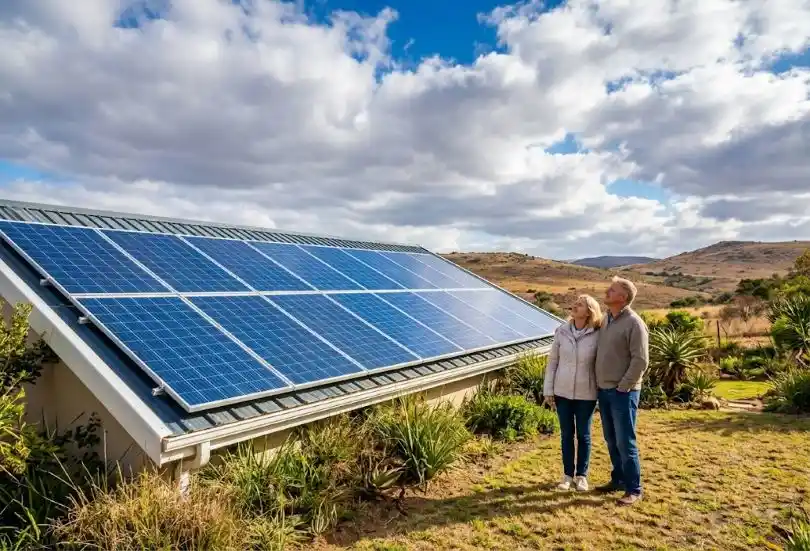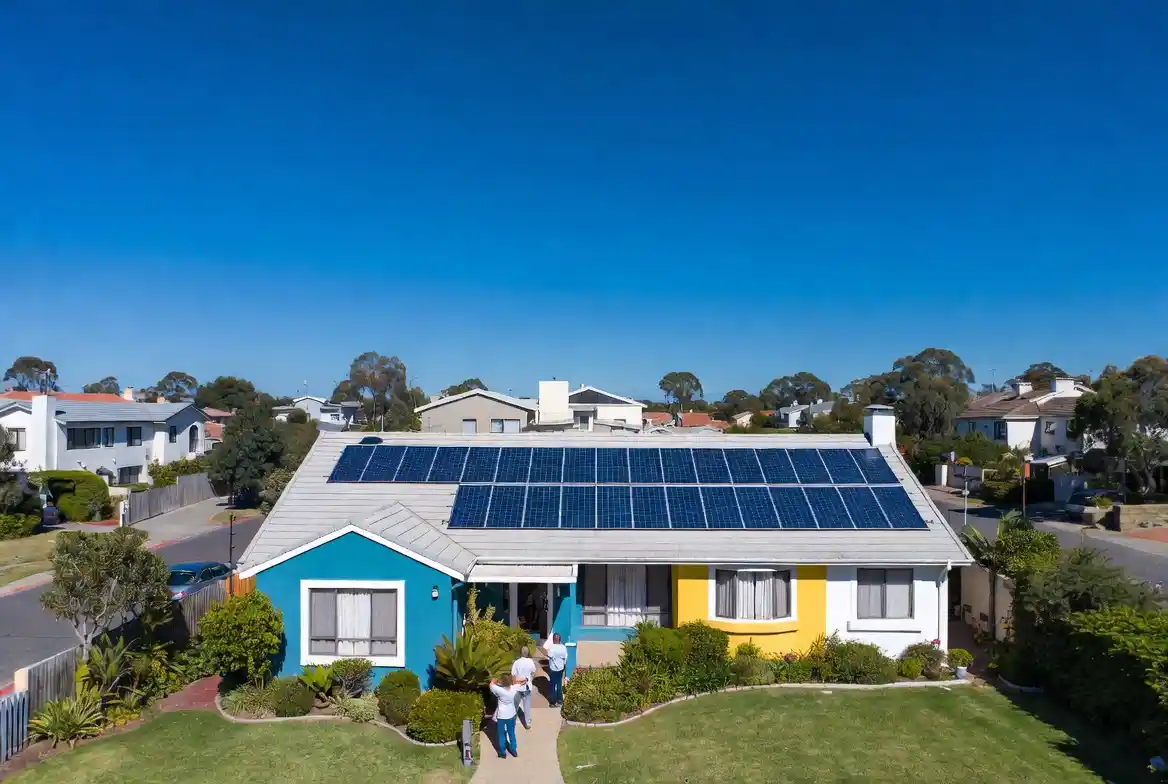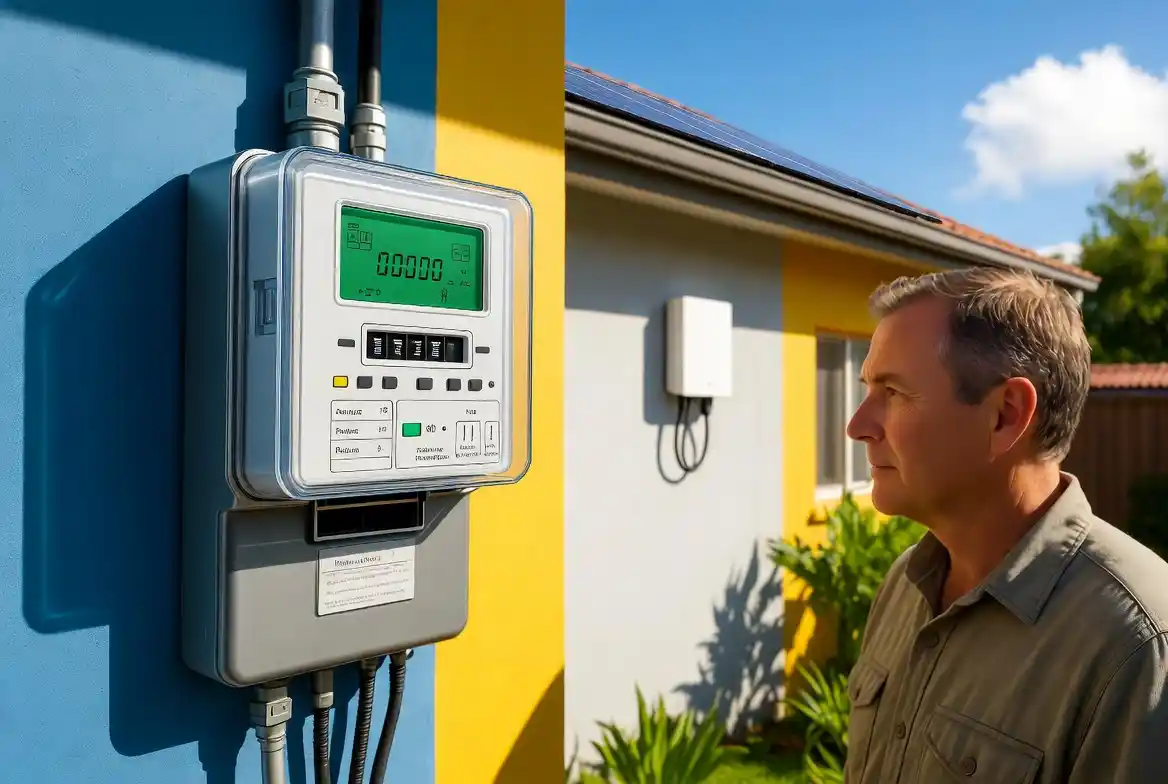


Ask ten homeowners why they want solar and you'll get two very different answers hiding under the same word. Some want the lights to stay on during load shedding. Others want a smaller Eskom or municipal bill every month. Both are reasonable goals — but they lead to genuinely different systems, at genuinely different price points, and conflating them is one of the most common ways homeowners end up either overpaying or under-delivered.
Two Different Design Briefs
A backup-only system is designed around your essential circuits — lights, fridge, wifi router, a few plugs — and enough battery capacity to ride out a few hours of outage. It doesn't need to generate anywhere near your full daytime usage, because its job is resilience during a blackout, not bill reduction. These systems can be comparatively affordable, since panel count and battery size are both modest.
A bill-killing system is designed to offset as much of your daytime electricity usage as possible, which usually means more panels, sized to your actual consumption rather than to a handful of backup circuits. Battery storage is optional here — a grid-tied system without batteries still cuts your bill, it just won't work during an outage.
Why the Confusion Costs Money
The expensive mistake happens when a homeowner wants bill savings but gets quoted (and buys) a backup-focused system — or wants load shedding protection but buys a bill-focused system with no battery at all. Both leave the homeowner disappointed for reasons that have nothing to do with equipment quality: the system was simply designed for a different goal than the one they actually had.
This is worth spelling out explicitly with any installer: "I want to survive a 4-hour outage on my essential circuits" is a completely different brief to "I want to cut my bill by 60%," and a good installer should ask which one (or both) you're solving for before proposing a system size.
Roughly What Changes Between the Two
Without giving exact rand figures that go stale fast, the shape of the difference is consistent: backup-only systems scale with your essential load and desired runtime hours — a modest, fairly fixed set of numbers. Bill-killing systems scale with your total daytime usage and available roof space — numbers that grow with household size and usage habits, and therefore grow the system (and price) accordingly.
If budget is the real constraint, it's worth explicitly asking an installer to quote both a backup-only and a bill-focused option side by side, rather than accepting a single all-in-one number.
Can You Do Both?
Yes — a hybrid system with battery storage sized generously enough handles both jobs at once, at the higher end of the cost range for either goal alone. Many homeowners start backup-only and expand panel capacity later once budget allows, since a battery/inverter setup can often be added to or expanded from.
Work Out Your Own Starting Point
Our solar calculator asks what your priority is — bill savings only, or bill savings plus backup — specifically because the two produce different recommended system sizes. Run your numbers there first, then take that starting point to installers on ADEO and ask them to quote against the specific goal you selected, not a generic package.
Frequently Asked Questions
Can a backup-only system be upgraded to a bill-killing one later? Often yes, if the inverter and electrical setup were installed with future panel expansion in mind — worth asking your installer to design for that upfront even if you start small.
Which one has a faster payback period? Bill-killing systems typically have a clearer, calculable payback period since they directly offset a cost you're already paying. Backup-only systems "pay back" in avoided disruption, which is harder to put a rand value on.
Do I need to choose one over the other permanently? No — many households start with whichever budget allows and adjust the system's role over time as priorities or finances change.

Writes about solar and renewable energy for South African homes and businesses at SolarTally, and cross-checks every guide against current tariffs and installer standards.


Popular on SolarTally