
"How many panels do I need?" sounds like a simple roof-measurement question. It isn't. Two identical houses with identical usage, one in Upington and one in Durban, need different panel counts to hit the same output — because the number of usable sun hours per day varies meaningfully across South Africa's provinces, and panel count is really solving for usage divided by daily generation per panel, not usage alone.
The Formula Behind the Question
At a basic level, panel count is roughly: your target daily energy generation, divided by what a single panel produces in your specific location. That per-panel output depends on panel wattage (a fixed spec) multiplied by your area's average peak sun hours — and peak sun hours differ by province, generally trending higher in the more arid interior (Northern Cape, parts of the Free State) and lower along the humid, cloudier coastal belt (parts of KwaZulu-Natal, the Cape's winter months).
This is why a generic "solar panels needed" answer pulled from an overseas calculator or a one-size-fits-all rule of thumb can be meaningfully off for a South African address — the underlying sun-hour assumption matters as much as your usage number.
Roof Space Is a Separate, Harder Constraint
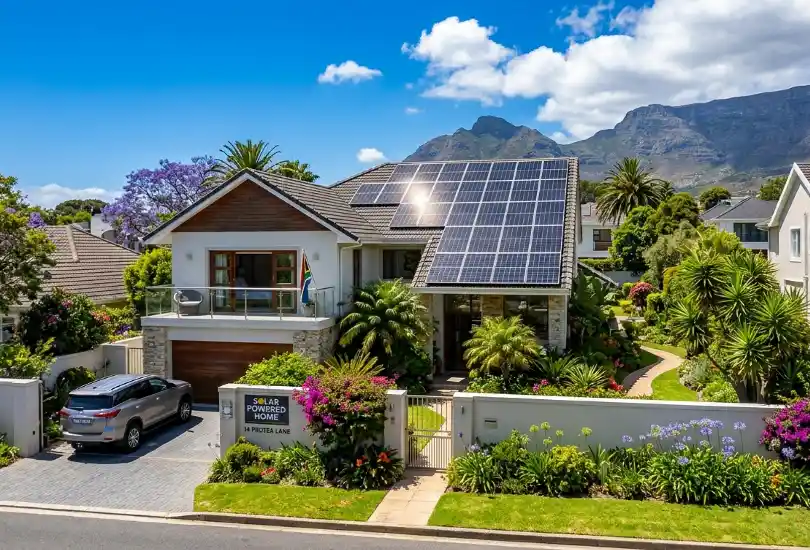
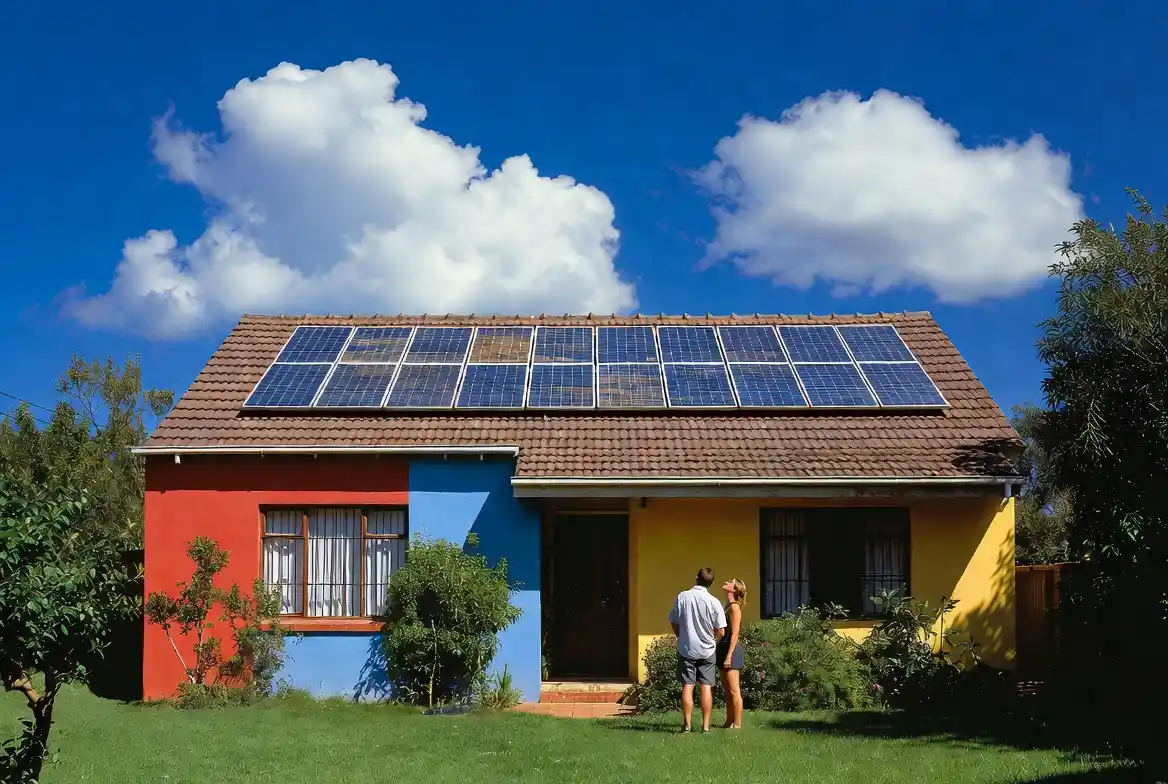
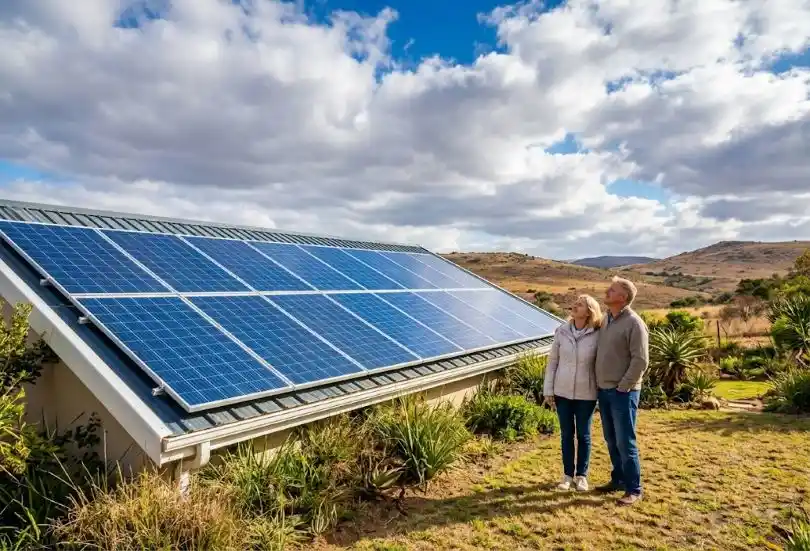
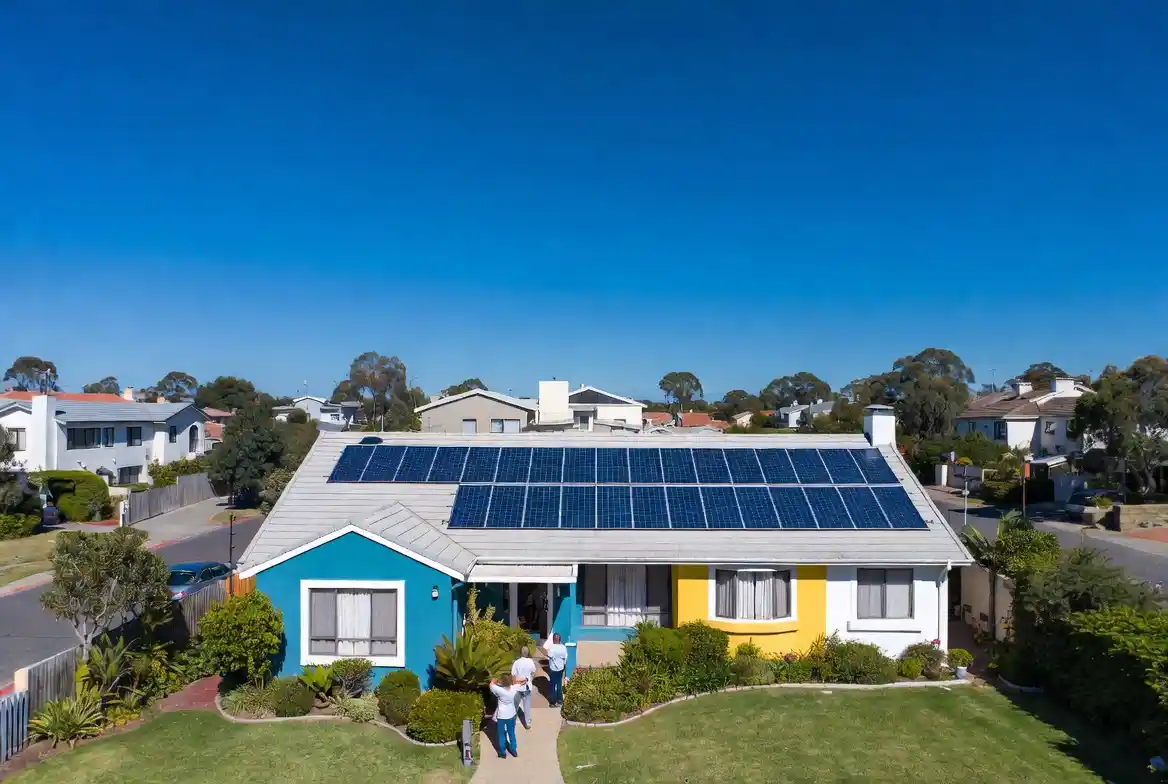
Even once you know the ideal panel count for your usage, physical roof space — usable area, orientation, shading from trees or neighbouring buildings, roof pitch — sets a ceiling on what's actually installable. It's common for the "usage-ideal" panel count and the "roof-realistic" panel count to differ, in which case the practical answer becomes: fit what the roof allows, and treat the rest of your usage reduction as either a smaller bill offset, or a case for adding battery storage to make better use of what you do generate.
Why More Panels Isn't Always Better
Beyond a certain point, adding panels stops helping if your inverter can't handle the extra capacity, or if you're generating far more at midday than you can use or export usefully. Oversizing a panel array without a matching inverter and export/storage plan is a common way installers pad a quote without necessarily improving the outcome — worth asking directly whether a proposed panel count is sized to your usage and inverter capacity, or simply to what fits the roof.
A Reasonable Way to Approach It
- Start with your actual usage (from a recent bill), not a guess
- Factor in your municipality's realistic sun-hour average, not a generic national number
- Check that against your available, usably-oriented roof space
- Size the inverter to match the panel array, not the other way around
Get a Location-Specific Starting Estimate
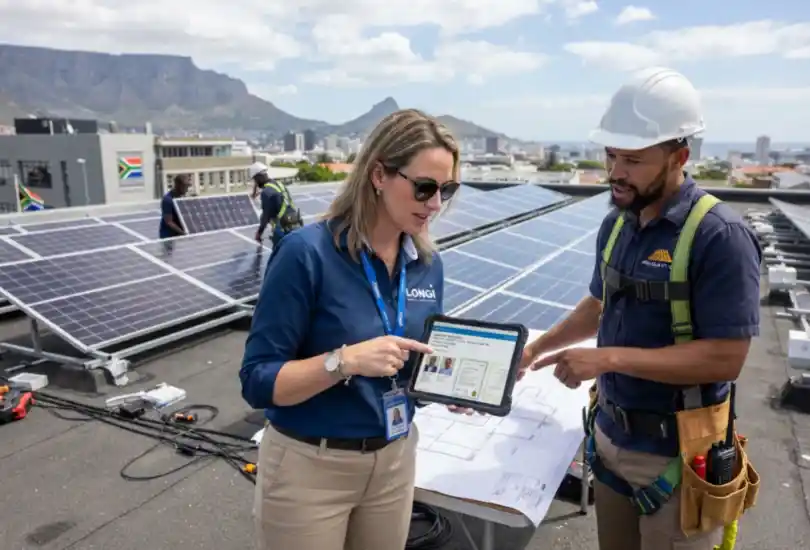
Our solar calculator already factors your province into its sun-hour assumptions when estimating recommended system size — so the number you get is location-specific from the start, not a generic average. Use it to get a sensible starting point, then bring that to installers on ADEO for a proper roof assessment, since only an in-person survey can confirm what your actual roof allows.
Frequently Asked Questions
Does panel brand affect how many I need? Slightly — higher-wattage panels of the same physical size generate more per panel, meaning fewer panels can hit the same target output, though usually at a higher per-panel cost.
Is it worth over-sizing the panel array "just in case"? Only if your inverter and budget support it — oversizing without matching storage or export capacity mostly wastes midday generation rather than adding usable value.
Do north-facing roofs need fewer panels than east/west-facing ones? North-facing orientation in the Southern Hemisphere generally captures more sun per panel across the day, so yes, all else equal, north-facing roofs can need somewhat fewer panels to hit the same output than east- or west-facing ones.

Writes about solar and renewable energy for South African homes and businesses at SolarTally, and cross-checks every guide against current tariffs and installer standards.


Popular on SolarTally