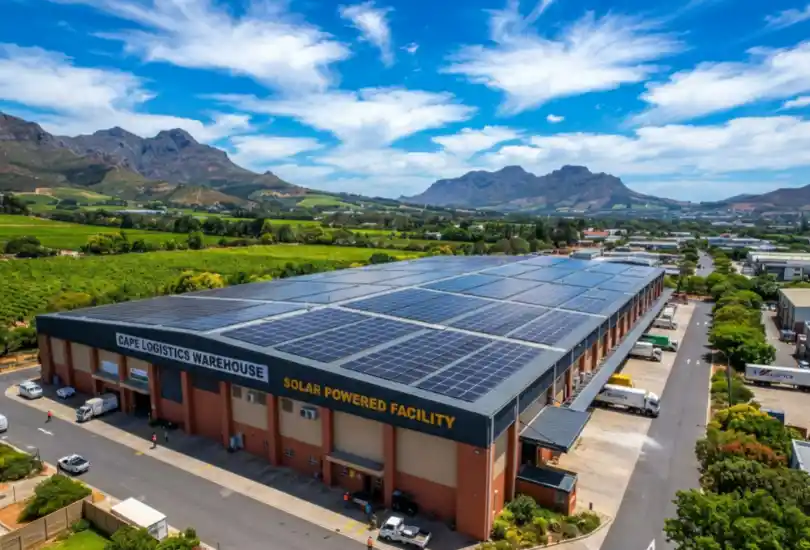


Business interruption insurance exists to cover lost income when your operations are disrupted — and installing solar changes your risk profile in ways worth actively discussing with your insurer, both to make sure the new equipment is properly covered and to understand whether solar affects your interruption cover itself.
Two Separate Coverage Questions
Commercial solar intersects with insurance in two distinct ways: covering the solar equipment itself (similar in principle to the residential case covered in our home insurance piece, just at commercial scale and value), and understanding whether having solar-plus-battery backup affects your business interruption policy's terms or pricing. These are worth addressing as separate, explicit conversations with your insurer or broker.
Insuring the Equipment Itself
A commercial solar installation represents meaningful capital value, and your property/asset insurance needs to reflect that explicitly — confirm coverage for the panels, inverter, and any battery storage, including confirmation that a Certificate of Compliance was issued, the same documentation point covered in our compliance certificate piece.
Does Backup Power Reduce Your Interruption Risk?
If your solar system includes battery backup capable of keeping critical operations running through a grid outage, this genuinely reduces one category of business interruption risk — worth discussing with your insurer directly, since it may be relevant to how your interruption cover is priced or structured, though outcomes vary by insurer and policy.
What Happens If Solar Itself Causes an Interruption
A solar-related fault — an electrical issue connected to the installation — causing its own business disruption is a scenario worth explicitly understanding within your policy, separate from generic outage risk. Confirm this is clearly covered, not left ambiguous between your equipment cover and your interruption cover.
Documentation That Helps Any Claim
The same documentation that matters for equipment cover — Certificate of Compliance, installer invoice, system specifications — also strengthens any interruption-related claim connected to the system, since it establishes the installation was properly done and compliant, reducing grounds for a claim dispute.
A Conversation Worth Having Proactively
Rather than waiting for a renewal cycle or, worse, a claim to discover a gap, raising commercial solar directly with your insurer or broker as soon as installation is planned — not after it's complete — gives you the chance to address any coverage gaps before they matter.
Getting Started
Our solar calculator gives you a starting system size and cost estimate, useful context for the insurance conversation alongside your installer's specifications. Installers on ADEO can provide the documentation your insurer or broker will want to see.
Frequently Asked Questions
Does adding solar typically increase or decrease commercial insurance premiums? It can go either way depending on the insurer and specific risk assessment — worth asking directly rather than assuming, since outcomes vary.
Do I need to inform my insurer before installation begins, or only once it's complete? Ideally both — an early heads-up lets your insurer flag any process requirements, and formal disclosure once installation is complete and documented ensures the policy is properly updated.
Does business interruption cover typically address load-shedding-related losses at all, separate from solar? This varies significantly by policy and insurer — worth confirming your specific policy's stance on load-shedding-related interruption regardless of whether you have solar, since it's a separate underlying question.

Writes about solar and renewable energy for South African homes and businesses at SolarTally, and cross-checks every guide against current tariffs and installer standards.


Popular on SolarTally