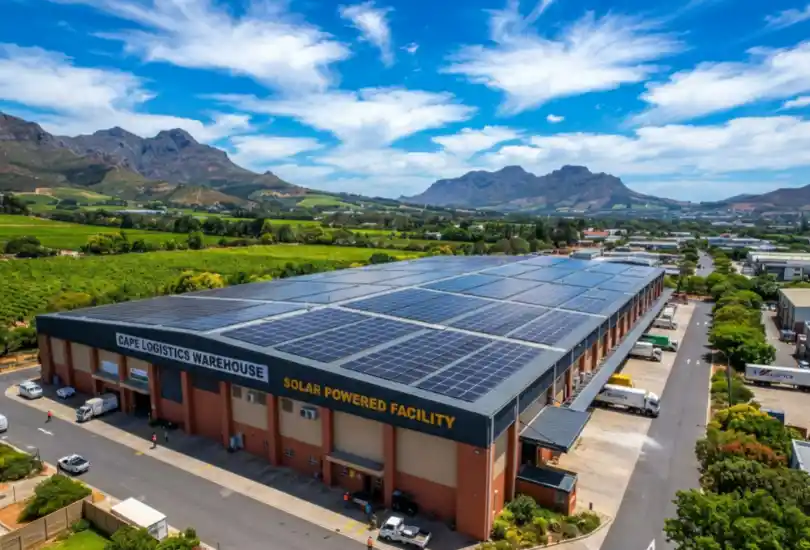


A commercial solar system is a long-term asset, and like any equipment of that scale, it needs ongoing maintenance to keep performing at its rated output. What that maintenance should reasonably cost and cover varies more between providers than most business buyers expect — worth understanding before signing a multi-year service agreement.
What Legitimate Commercial Solar Maintenance Covers
A reasonable maintenance contract typically includes: periodic panel cleaning (dust and grime buildup measurably reduces output over time, more so in some environments than others), system performance monitoring and reporting, inverter and electrical connection inspection, and a defined response time for fault callouts. The specifics vary by provider, but a contract that vaguely promises "maintenance" without listing what's actually included is harder to evaluate — and harder to hold the provider accountable to.
Normal Pricing Patterns
Commercial maintenance is typically priced either as a fixed annual fee or as a percentage of system value, scaled to system size and complexity. Reasonable providers can explain clearly what's driving their specific number — visit frequency, monitoring technology used, response time commitments — rather than presenting a flat figure with no breakdown. If a quoted maintenance cost seems unusually high or low compared to other quotes for a similar system, ask specifically what's different about the scope, rather than assuming price alone reflects quality.
Red Flags Worth Watching For
- No specified response time for fault callouts, leaving "we'll get to it eventually" as the effective standard
- Vague scope that doesn't clearly list what's inspected, cleaned, or monitored, and how often
- Contracts that lock in multi-year terms with no performance accountability — no guaranteed output level, no consequence if the system underperforms
- Maintenance bundled inseparably with a specific equipment brand's ongoing purchase, limiting your ability to switch providers without penalty
- No access to your own system's performance data — a legitimate provider's monitoring should be visible to you, not a black box only they can see
Questions Worth Asking Before Signing
- What exactly is inspected or serviced at each visit, and how often do visits happen?
- What's the guaranteed response time for a fault or significant performance drop?
- Do we get direct access to performance monitoring data, or only provider-generated summaries?
- What happens if the system underperforms its expected output — is that addressed in the contract at all?
- Can the contract be exited or renegotiated, or is it a rigid multi-year lock-in?
Self-Monitoring as a Complement, Not a Substitute
Even with a maintenance contract in place, having visibility into your own system's performance data (many inverters offer app or web-based monitoring) lets you catch obvious problems — a sudden output drop, an offline inverter — between scheduled maintenance visits, rather than only discovering an issue at the next scheduled check. This is a useful complement to a maintenance contract, not a replacement for one.
Comparing Providers on More Than Price
Our solar calculator helps establish a realistic system size and cost baseline before you're evaluating maintenance add-ons against it. When comparing commercial installers on ADEO, ask each one to walk through their maintenance contract scope explicitly — the comparison is often more revealing than comparing installation quotes alone.
Frequently Asked Questions
Is a maintenance contract mandatory for a commercial solar system? Not legally mandatory, but strongly advisable for a system of meaningful size and value — the cost of neglected maintenance (reduced output, undetected faults) usually outweighs a reasonable maintenance contract's cost over time.
How often should panels realistically be cleaned in a commercial setting? This depends heavily on the specific environment (dust, pollution, bird activity) — a provider should be able to explain why their recommended frequency suits your specific site, not apply a generic schedule regardless of conditions.
Should maintenance always be bought from the same company that did the installation? Not necessarily — some businesses use independent maintenance providers. Worth weighing convenience and accountability of a single provider against potentially better terms from a specialist maintenance-only provider.

Writes about solar and renewable energy for South African homes and businesses at SolarTally, and cross-checks every guide against current tariffs and installer standards.


Popular on SolarTally