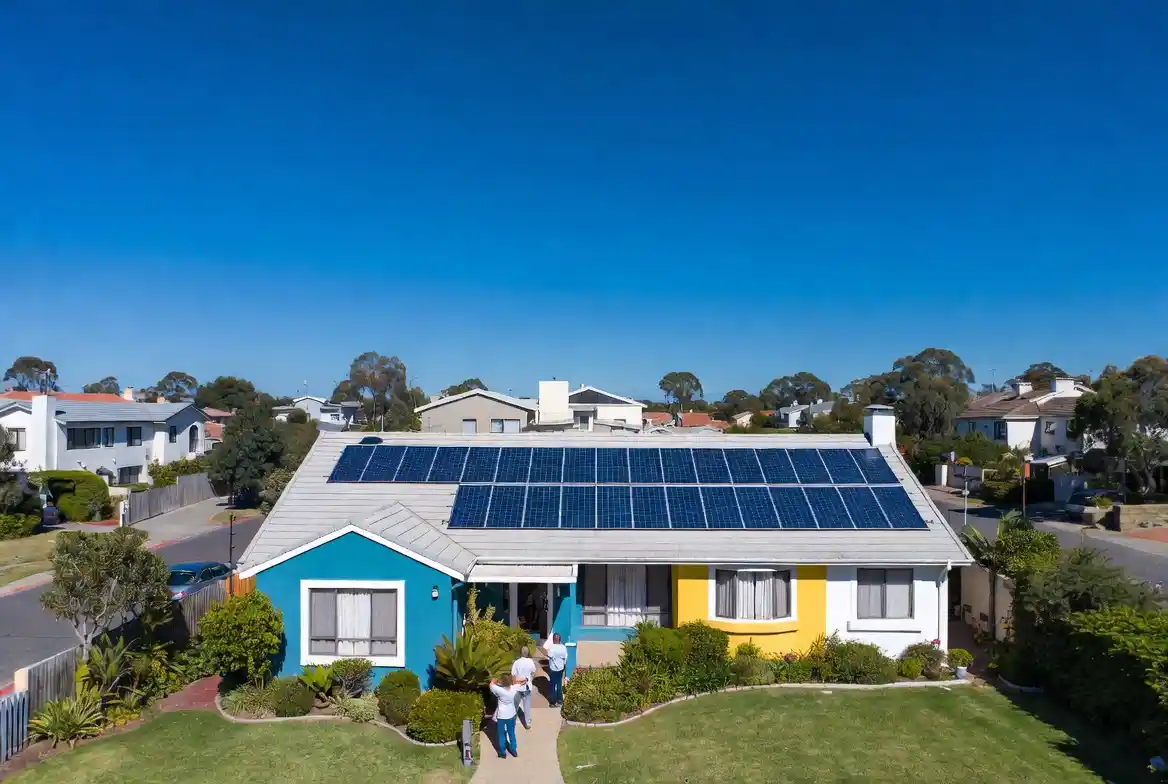

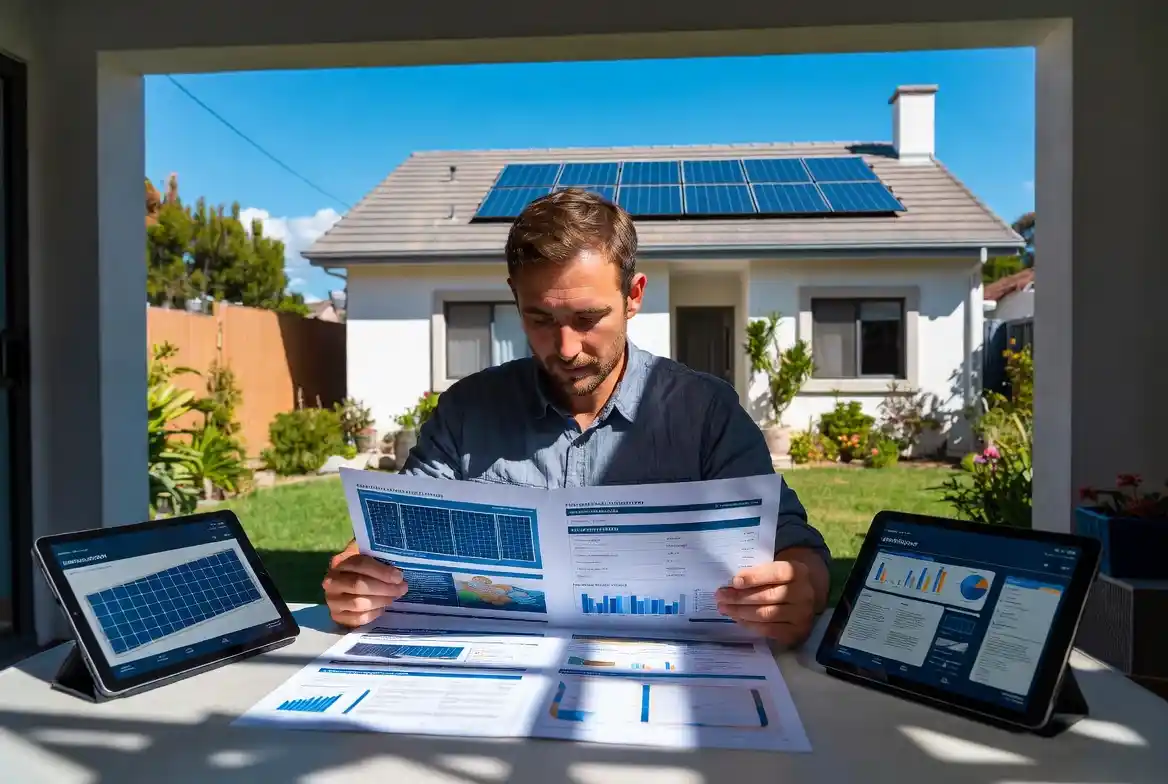
Most solar content assumes homeownership — sizing a roof-mounted system for a property you'll live in indefinitely. Renters facing load shedding and rising electricity costs have real options too, just a narrower and more landlord-dependent set of them.
Why Ownership Status Changes the Conversation
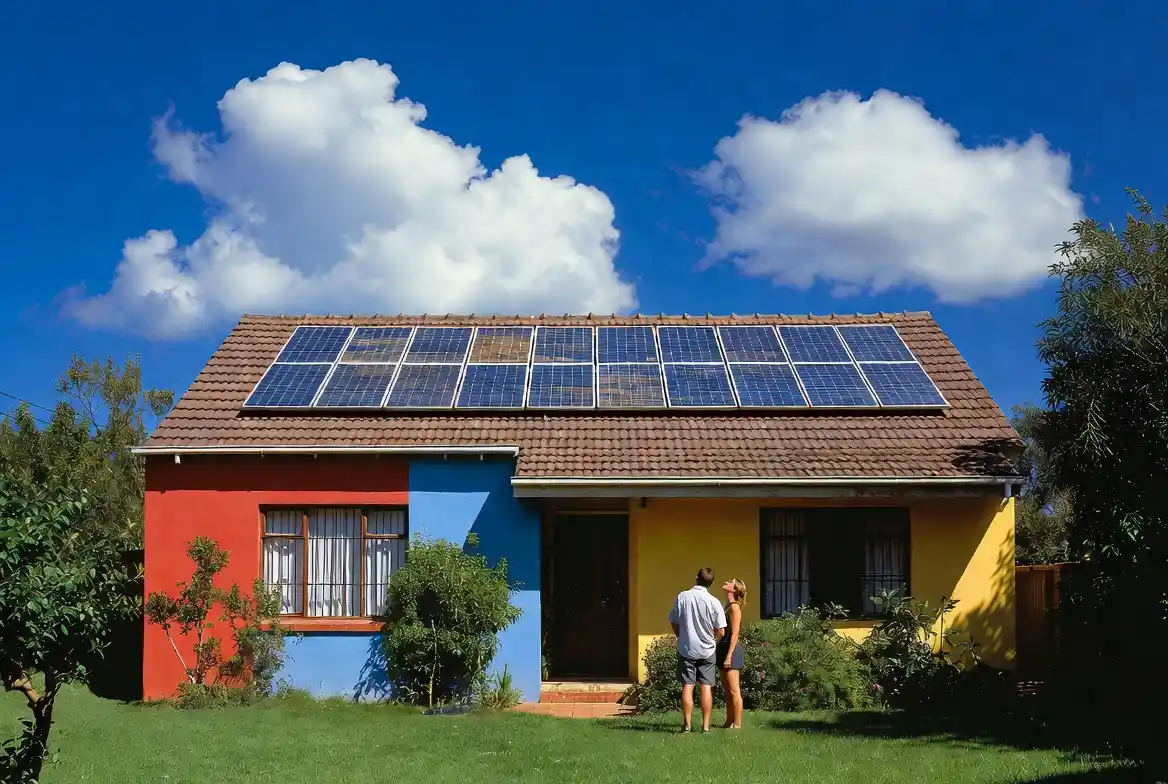
A permanent, roof-mounted solar installation is a fixed improvement to the property — one a landlord, not a tenant, ultimately has final say over, and one that doesn't move with you if you relocate. This doesn't rule out solar for renters, but it does mean the practical path looks different, and usually starts with a conversation rather than a straight-to-installer quote.
Getting Landlord Agreement for a Fixed Installation
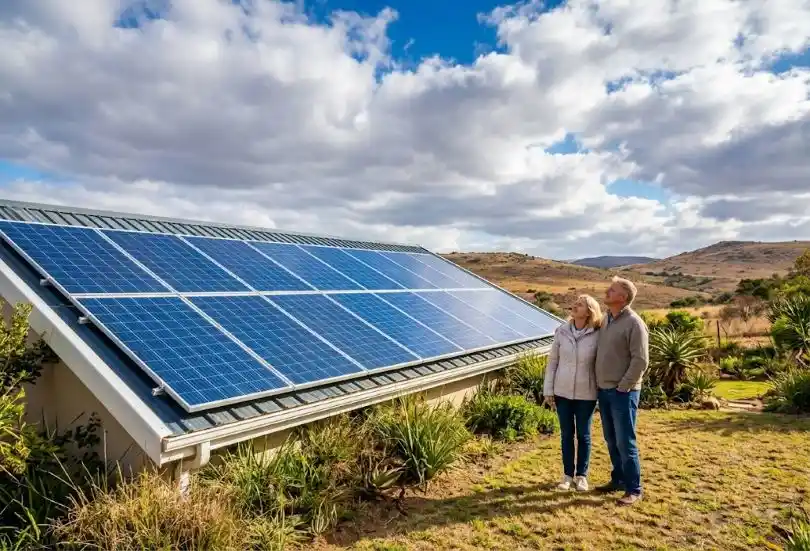
If you're in a longer-term lease and want a full rooftop system, the landlord conversation is unavoidable — but it's not necessarily a hard sell. Framing it around property value improvement (a home with solar already installed is often more attractive to future tenants or buyers) and offering to cover installation costs yourself (with a written agreement on what happens to the system at lease end — remains with the property, or you're compensated/allowed to remove it) can make the conversation considerably easier than simply asking permission with no plan attached.
Portable and Non-Permanent Options
For renters who can't get landlord agreement for a fixed installation, or who move frequently, portable solar options exist at a smaller scale — portable panel kits with battery packs that can run select appliances or provide limited backup during load shedding, without any permanent roof modification. These don't replace a full home system's savings or backup capacity, but they're a genuine, take-it-with-you option worth considering if a fixed installation isn't realistic.
Balcony and Small-Footprint Systems
Some newer small-scale solar products are designed for balconies or limited outdoor space without roof mounting — plugging into an existing outlet to offset a portion of usage. Availability and specific regulations for this category are still evolving in South Africa, so it's worth researching current, specific product options rather than assuming what's available elsewhere is directly available here.
What to Weigh Before Committing as a Renter
- How long do you realistically expect to stay in this property?
- Would your landlord agree to a fixed installation, and on what terms?
- Is your goal primarily bill savings, load shedding backup, or both — since portable options handle backup better than they handle meaningful bill reduction?
- Does the lease term make the investment worthwhile, given you likely can't take a fixed system with you?
If You Do Get Landlord Agreement
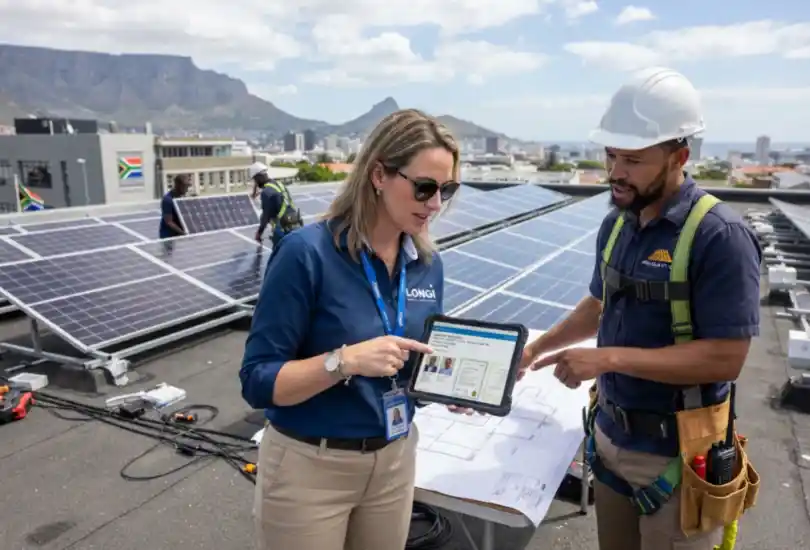
Once a landlord agrees to a fixed installation, the sizing and installer process works the same as for a homeowner — our solar calculator gives a starting estimate based on your usage, and you can compare installers experienced in landlord-agreement installations on ADEO. Get the agreement terms in writing before any work begins, covering both installation permission and what happens to the system when the lease ends.
Frequently Asked Questions
Can a landlord refuse a tenant's request to install solar? Generally yes — it's the landlord's property, and any permanent modification typically requires their consent under standard lease terms, unless your specific lease says otherwise.
Are portable solar kits worth it for load shedding backup alone? For essential, small-load backup (lighting, charging devices, wifi), yes — but set expectations correctly, since they generally can't run higher-draw appliances the way a full home battery system can.
If I install solar as a tenant and later move, can I take it with me? Only if agreed in writing with the landlord beforehand — without that agreement, a fixed installation typically becomes a permanent fixture of the property.

Writes about solar and renewable energy for South African homes and businesses at SolarTally, and cross-checks every guide against current tariffs and installer standards.


Popular on SolarTally